

Gudri ke Laal - 03
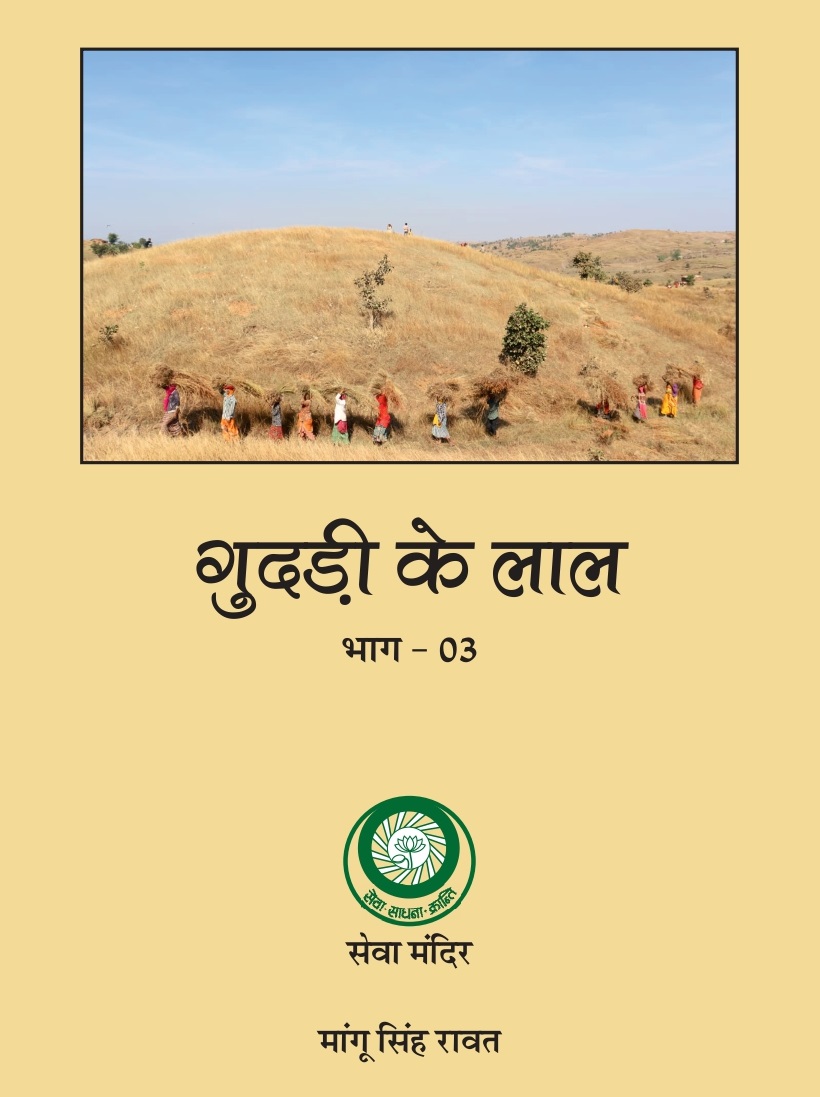
Gudri Ke Laal - Part 3, written by Shri Mangu Singh Rawat, is a journey through stories of Rural Leadership and Collective Change. It brings to life the stories of 15 remarkable individuals from rural Rajasthan who have transformed their communities through quiet determination and collective action. These leaders are not famous personalities or political figures. They are everyday people who stepped forward in times of need, showing that real leadership often comes from listening, learning, and standing together.
The book paints a vivid picture of village life, where land disputes, forest degradation, and access to natural resources are part of daily struggles. But instead of losing hope, these individuals encouraged their communities to come together, talk openly, and work towards common solutions. Through community meetings and shared discussions, they were able to reclaim encroached lands, resolve conflicts, and build systems to manage common property resources like forests, grazing lands, and water sources.
What makes their efforts special is the way they created local solutions tailored to the realities of their villages. With the support of Seva Mandir, they introduced simple yet effective practices -like building stone boundary walls to protect forest areas, rotating responsibilities for land monitoring among families, and forming Joint Forest Management Committees. These committees became platforms for learning and cooperation, involving not only villagers but also panchayat members and local forest officials.
Many of the leaders featured in the book started with no formal training or exposure. They learned through practice, peer support, and educational visits organized by the supporting institutions. As their understanding grew, so did their confidence and their influence. They inspired others around them and were able to engage with government departments, advocate for forest rights, and develop lasting systems for resource protection.
The book doesn't ignore the challenges. In some cases, village forests that took years to nurture were destroyed overnight due to political interests. Resistance from powerful individuals and institutional delays tested the community's resolve. Yet, these stories also show how sustained dialogue, transparency, and community involvement helped rebuild trust and keep the momentum alive.
A significant development in this journey was the formation of Van Utthan Sangh, a federation of Joint Forest Management Committees that now includes more than 100 villages. This collective body gave communities a stronger voice and the ability to negotiate forest rights and conservation plans with government departments. It has played a vital role in connecting local wisdom with formal systems of governance and environmental policy.
At its core, Gudri Ke Laal - Part 3 is a tribute to the power of collective leadership. It reminds us that sustainable change doesn't come from outside-it grows within communities that are willing to talk, collaborate, and care for one another. These inspiring stories leave the reader with a deep sense of hope and a renewed belief in the strength of grassroots action.